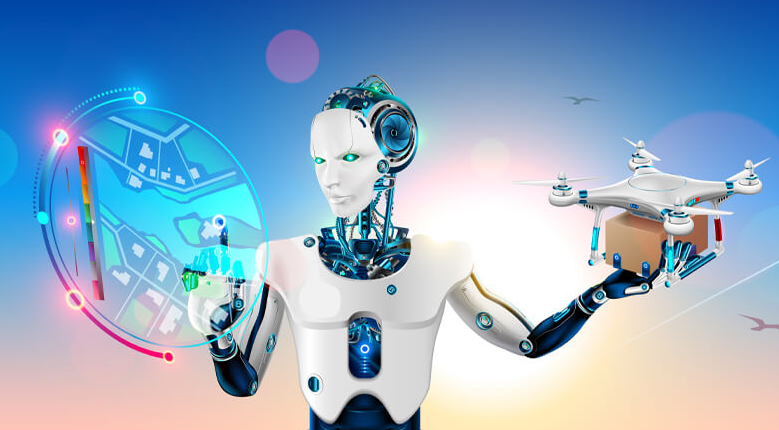

The emergence of autonomous robots is primarily fueled by advancements in artificial intelligence and machine learning. These developments enhance productivity across sectors such as manufacturing, healthcare, and agriculture. However, the integration of such technology raises significant ethical and regulatory concerns. As these machines reshape workforce dynamics, the implications for human collaboration and societal acceptance warrant careful examination. What remains unclear is how these factors will ultimately redefine the future of work.
Factors Driving the Growth of Autonomous Robots
As advancements in artificial intelligence and machine learning continue to evolve, the growth of autonomous robots is increasingly driven by a convergence of technological, economic, and societal factors.
Market demand for efficiency and productivity propels innovation, while technological advancements enhance capabilities and reduce costs.
This synergy not only fosters competitive advantages but also empowers individuals, facilitating a broader acceptance of autonomous systems in diverse environments.
See also: sarkarisangamcom
Impact on Various Industries
While the rise of autonomous robots transforms industries, their impact is particularly evident in sectors such as manufacturing, logistics, healthcare, and agriculture.
Manufacturing automation enhances production efficiency and reduces labor costs, while healthcare assistance improves patient care through precision and reliability.
These advancements facilitate operational freedom, enabling organizations to allocate resources more effectively and innovate within their respective markets.
Challenges and Ethical Considerations
Although the integration of autonomous robots offers significant advancements across various sectors, it also presents a myriad of challenges and ethical considerations that must be addressed.
Autonomy regulations remain inconsistent, leading to potential ethical dilemmas concerning accountability and decision-making.
As these technologies evolve, ensuring that ethical frameworks align with operational standards is crucial for fostering public trust and safeguarding individual freedoms.
The Future of Autonomous Robotics
The future of autonomous robotics is poised for transformative advancements, driven by rapid developments in artificial intelligence, machine learning, and sensor technology.
Enhanced human-robot interaction will redefine collaboration across various sectors, improving efficiency and safety.
Machine learning advancements will enable robots to adapt dynamically to complex environments, promoting autonomy while ensuring seamless integration into daily life, thereby empowering users with unprecedented flexibility and freedom.
Conclusion
As autonomous robots emerge as modern-day phoenixes, rising from the ashes of traditional labor, they symbolize both the promise of innovation and the shadows of ethical dilemmas. Their integration into industries signifies a transformative shift, heralding a new era where efficiency and collaboration redefine productivity. However, as society navigates this uncharted territory, the need for a robust regulatory framework becomes paramount, ensuring that the flight of these technological marvels does not eclipse the human values they are meant to enhance.